Launch 360: Turning Digital Silence into Sales — The SEO Success Journey








About Our Client
Launch 360
- IndustryHR Technology
- RegionUnited States
- PlatformLeadership Assessment SaaS
- Delivery18 months
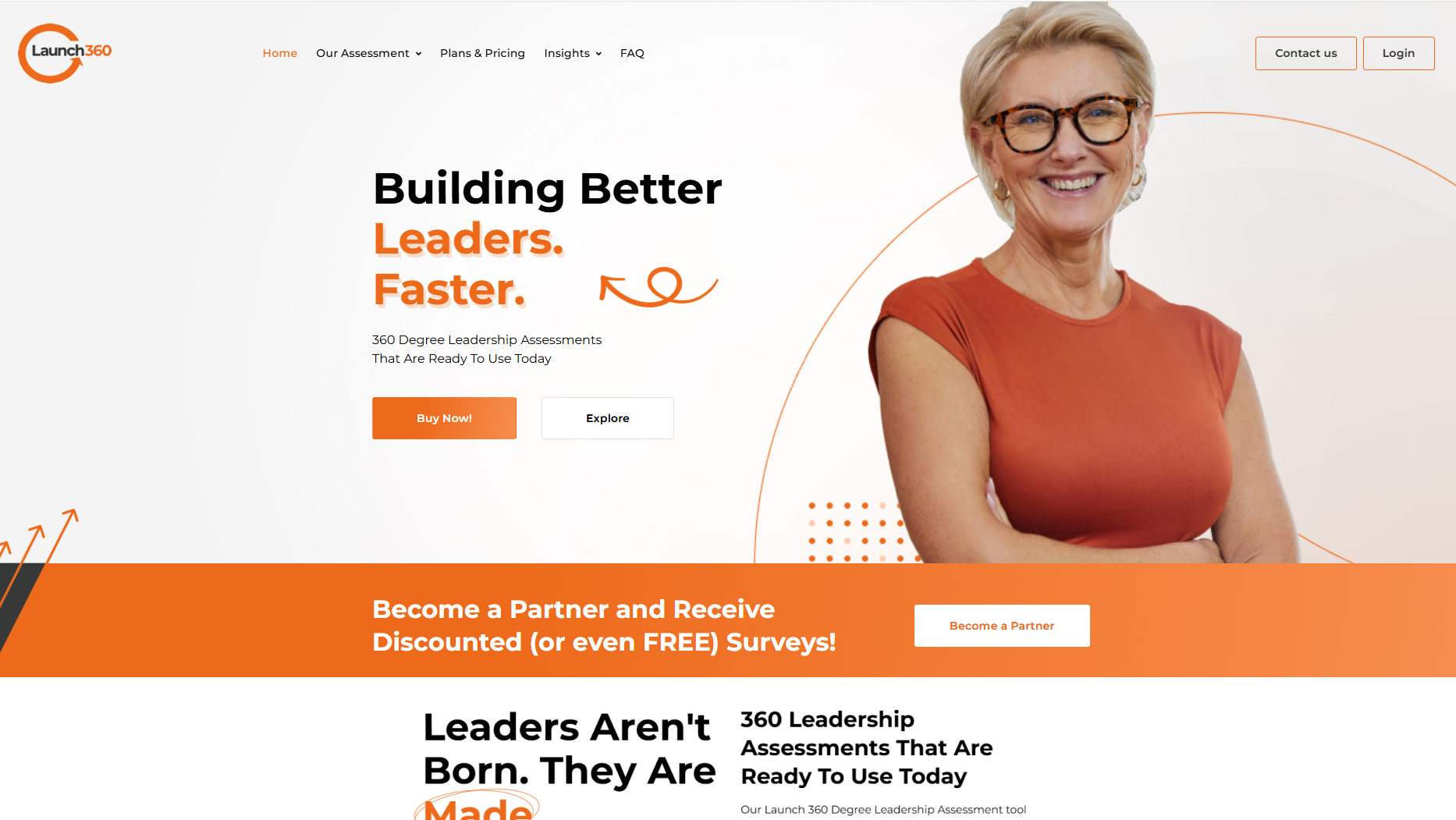
Launch 360, founded in 2022, provides assessment services to help organizations evaluate employees, managers, and leadership teams. The solution enables organizations to conduct structured assessments.
The platform uses customizable questionnaires, scoring frameworks, and automated reporting workflows. These reports support hiring decisions, leadership development, and employee role evaluations.
The platform is designed for corporate organizations, HR teams, and leadership coaches who require consistent and interpretable evaluation data.
Project Overview
From Zero Organic Visibility To Scalable Lead Generation
For over 2 years, Launch 360 had almost no organic visibility, generating only 0–10 monthly clicks, near-zero impressions, fewer than 5 indexed pages, and no tracked organic conversions.
By mid-2025, this lack of visibility had become a major growth bottleneck, as competitors began capturing search demand and building authority across key terms. The absence of organic acquisition channels limited scalable lead generation and reduced marketing effectiveness.
To address these issues, Launch 360 engaged Digisoft Solution to perform a full indexing and crawl audit. This included index coverage analysis, crawl-depth evaluation, and orphan-page detection.
The engagement also focused on restructuring XML sitemaps and improving internal link structure and crawl pathways. We implemented intent-based URL clustering to align the site structure with user search behavior and keyword demand patterns.
The Concept
Intent-First SEO With Topic Silo Architecture
An intent-first SEO architecture was developed where every page aligns with a specific stage of user search behavior. The site structure was organized around keyword clusters and related search topics. This ensured each URL contributes to a defined search theme rather than existing as a standalone service page.
Implemented a topic silo model to group related queries into unified content hubs, strengthening semantic relevance and internal topical authority. This allowed the site to distribute ranking strength across interconnected pages rather than isolated pages with weak contextual relationships.
The URL hierarchy was redesigned to reflect search intent relationships. This ensured higher-priority commercial queries were supported by structured supporting pages and internally linked content pathways.

Key Challenges Addressed
Visibility, Structure & Conversion Path Gaps
Technical SEO & Indexing Issues
Key pages are inconsistently indexed due to missing or improperly implemented metadata and a lack of structured tracking. This reduces search visibility, weakens relevance signals, and limits insights into organic traffic, user behavior, and conversion performance for optimization.
Crawlability & Internal Linking Issues
The website lacks a structured internal linking system, reducing crawl efficiency and discoverability of important pages. Weak link distribution creates inefficient crawl paths and limits internal authority flow, negatively impacting the visibility of key service and conversion pages.
Content Structure & Information Architecture Issues
Content is not organized into clear topic clusters or logical groups, making relationships between pages unclear for search engines. This weak information architecture reduces topical authority and limits the site’s ability to rank for related search queries.
Conversion Funnel & User Journey Gaps
The website lacks a structured user journey from the conversion entry point. There is no defined funnel or guided progression toward CTAs, resulting in fragmented navigation, inconsistent user flow, and reduced effectiveness of conversion pathways.
UX / Navigation Structure Issues
The platform is overly focused on the assessment system without first establishing product clarity. Navigation lacks user-based segmentation, structured “How it Works” flow, and consistent CTA hierarchy, reducing usability and decision-making clarity across user types.
Orphan & Low-Value Page Structure
FAQ and support pages exist in isolation without proper internal linking to the core product or conversion pages. This creates a fragmented structure, reduces the distribution of SEO value, and adds low-impact pages that do not contribute to user flow or conversions.
Technical Solutions We Implemented
Unified Digital Growth Across SEO, UX & Content
Each optimization designed to improve search visibility, user navigation, and conversion performance—not isolated fixes.
SEO Infrastructure Optimization
We restructured XML sitemaps into priority-based segments to improve crawl efficiency and indexing. Canonical tags were implemented across duplicate and parameterized URLs to consolidate ranking signals. This eliminates duplicate content issues, thereby strengthening overall search visibility.
Site Architecture & Navigation Restructuring
A structured SEO architecture was built based on page hierarchy, importance, and functional grouping. Internal linking and navigation were redesigned to improve crawlability, reduce navigation depth, and ensure a more efficient distribution of authority across key service and conversion pages.
Content Optimization & Search Intent Alignment
Each page was mapped to defined search intent categories (informational, navigational, transactional). Titles, headings, and metadata were optimized using keyword clustering to ensure strong semantic alignment between user queries, content structure, and topical relevance.
Tracking, UX Measurement & Content Governance
GA4-based event tracking was implemented for CTA clicks and form submissions to measure user engagement. A structured content audit was conducted to remove duplication, refine weak pages, and ensure every page serves a distinct SEO and functional role within the ecosystem.
Screens From the Live Build
Surfaces We Optimized For Search & Conversion
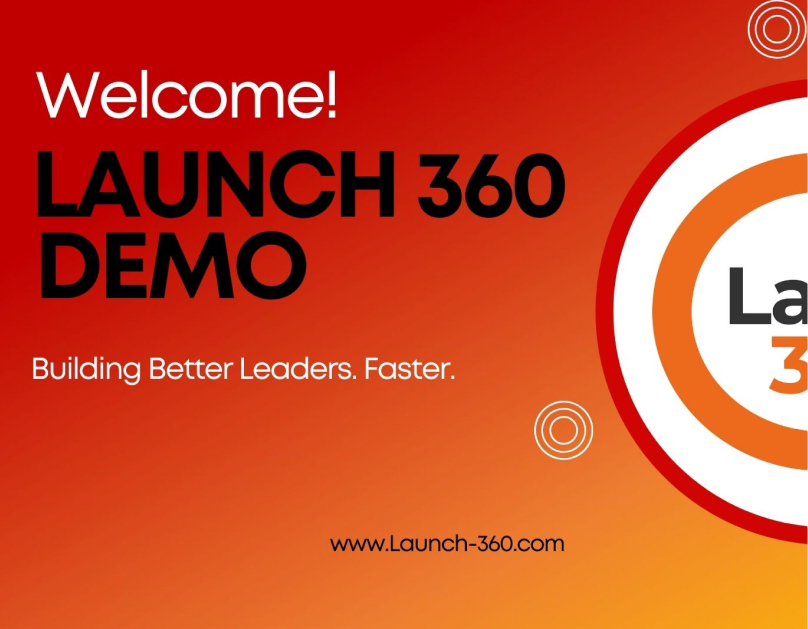
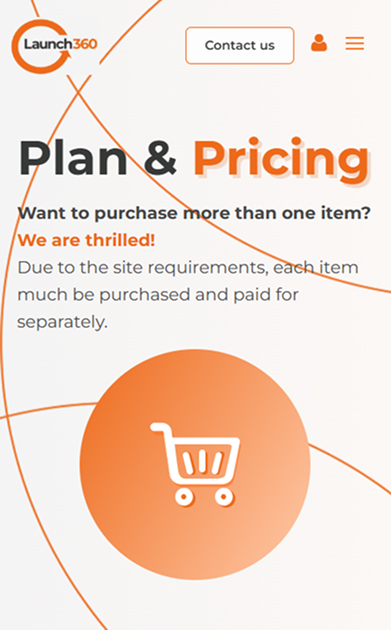
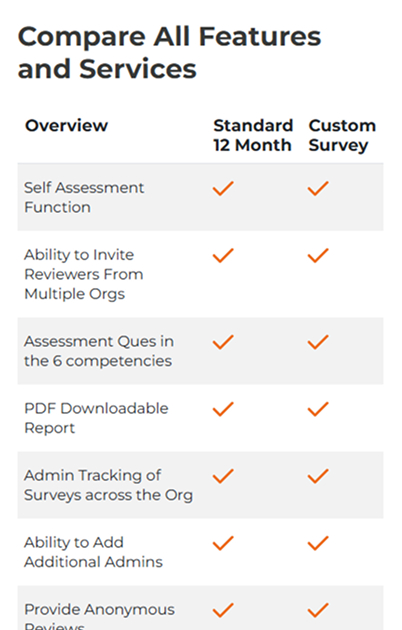
Selected moments from the Launch 360 platform—restructured for search intent, navigation clarity, and lead-generation pathways.


Core Features & Functional Capabilities
Built For Search Intent & Readability
- Modular Page Template: The website now uses a structured template system in which service pages, informational pages, and supporting content follow consistent yet flexible layouts.
- Consistent Page Layout Framework: Each page is designed with a clear information hierarchy, separating core messaging, supporting details, and action-driven elements for improved readability and flow.
- Search-Intent Content Architecture: Content across the website is organized by distinct search topics, ensuring each page addresses a specific intent without overlap or redundancy.
- Internal Navigation System: A structured linking system connects related pages and services, helping users navigate them efficiently.
- Standardized SEO Page Structure: All pages follow a consistent SEO structure with defined titles, headings, and metadata formats, ensuring uniform indexing and clearer page identity across the site.
Technologies and Tech Stack We Used
Tools Chosen For SEO Measurement & Quality
CMS / Web Framework
Platform foundation for structured templates and page governance.
Google Search Console
Index coverage, search appearance, and visibility monitoring.
GA4 · SEMrush
Traffic, conversions, keyword research, and competitive insights.
BrowserStack · Lighthouse
Cross-device testing, performance audits, and mobile responsiveness.
Testing & Quality Assurance
Validated For Index Health, Speed & Engagement
Ongoing monitoring and QA across search visibility, technical health, performance, and conversion-oriented page layouts.
- Monitored search appearance, clicks, and page visibility, and adjusted content where needed.
- Analyzed traffic-driving search queries and refined page content for better search alignment.
- Verified page indexing and resolved missing or inaccessible page issues.
- Identified and resolved broken links, errors, and missing page elements.
- Tested loading speed and mobile responsiveness across multiple devices.
- Evaluated page layouts and CTA positioning to improve engagement flow.
Our Approach & Development Timeline
Phased Delivery Across 18 Months
Continuous SEO growth from audit and restructuring through content, UX, monitoring, and ongoing optimization.
Audit, Research & SEO Planning
Indexing audit, keyword research, and strategy.
Website Restructuring & Technical Optimization
Sitemaps, canonicals, and site architecture.
Content & Search Visibility Improvements
Intent alignment and topic silos.
UX & Conversion Flow Enhancements
Navigation, CTAs, and user journey.
Performance Monitoring & Refinements
GSC, GA4, and iterative improvements.
Continuous SEO Growth & Optimization
Ongoing optimization and authority building.
Measurable Outcomes
From Near-Zero To Qualified Organic Leads
The results below are based on a 6-month pre- and post-SEO implementation comparison using Google Search Console and GA4 data.
Monthly organic sessions up from fewer than 10
Organic impressions increase from a near-zero baseline
Monthly organic leads generated through GA4 tracking
User drop-off reduced after UX improvements
Digisoft Solution optimized Launch 360 as a unified digital growth system rather than applying isolated fixes. We designed each optimization to improve search visibility, user navigation, and conversion performance.
The approach prioritized clarity in structure, consistency in page behavior, and meaningful improvements in visibility and engagement. As a result, there was sustained growth in qualified traffic and lead generation.