Table of Content
- What Makes a Mobile App Development Company Worth Your Money?
- Mobile App Development Cost in 2026: What Should You Actually Budget?
- App Development Cost Breakdown by Complexity
- Developer Hourly Rates by Region (2026)
- Hidden Costs Most Businesses Miss
- Top 5 Mobile Application Development Companies in 2026
- 1. Digisoft Solution: Strong Choice for AI-Integrated Mobile Apps
- 2. Appinventiv
- Where They Fall Short for Smaller Businesses
- 3. TechAhead
- 4. WillowTree
- 5. Intellectsoft
- Side-by-Side Comparison of All 5 Companies
- Factors That Affect Your Mobile App Development Cost
- Platform Selection
- UI/UX Design Complexity
- Backend and API Development
- Third-Party Integrations
- Security and Compliance
- App Maintenance and Updates
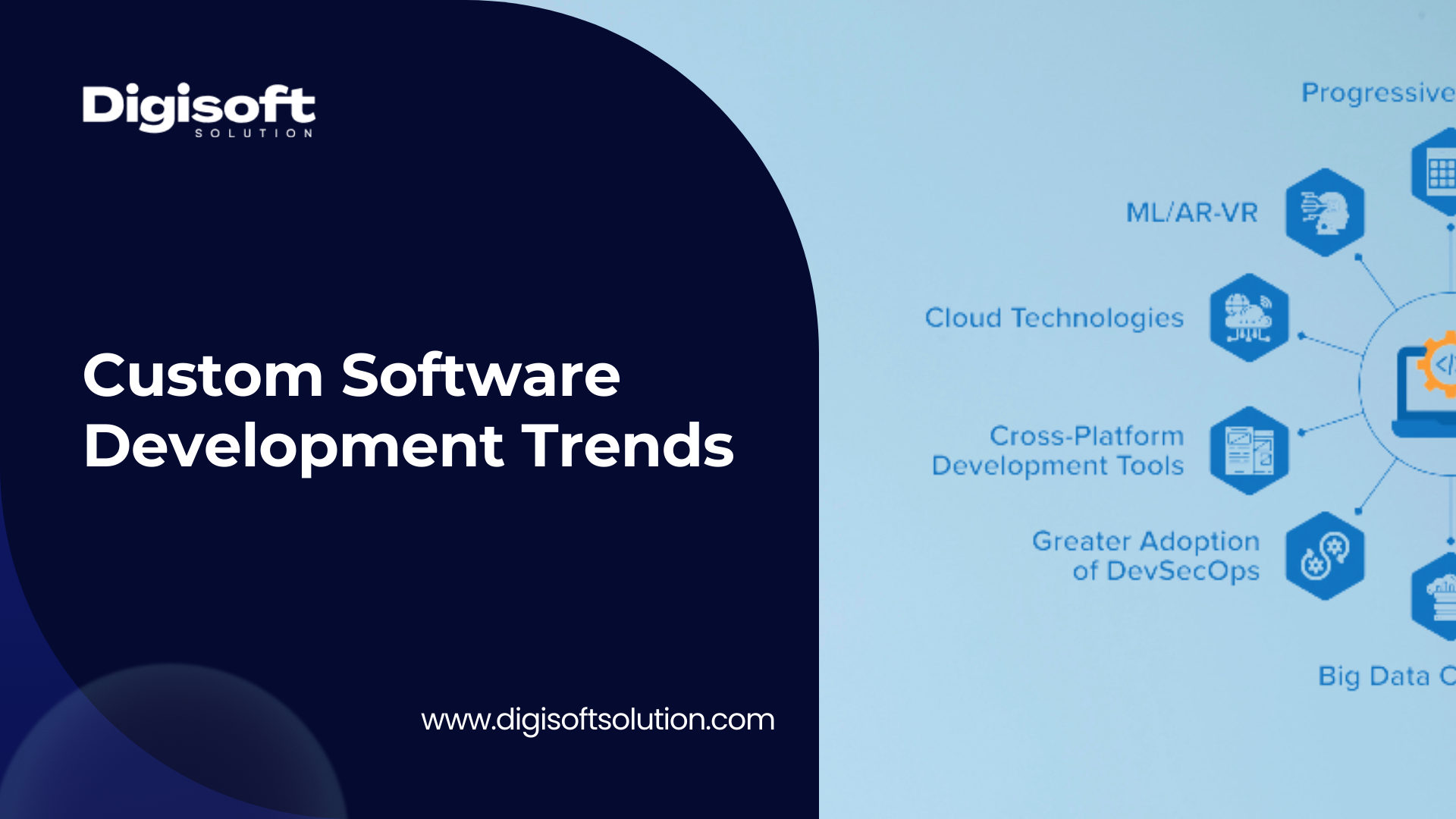
- Mobile App Development Trends Shaping 2026
- AI Is No Longer a Feature, It is a Foundation
- Cross-Platform Development Is Now the Default for Most Apps
- Privacy-First Design Is Now a Requirement
- On-Device AI Processing
- Super-App Architecture
- How to Choose the Right Mobile App Development Partner: A Practical Checklist
- Common Mistakes Businesses Make When Hiring a Mobile App Developer
- Frequently Asked Questions
- What is the best mobile app development company in 2026?
- How much does it cost to build a mobile app in 2026?
- Should I build a native app or a cross-platform app?
- How long does it take to build a mobile app?
- What is the difference between iOS and Android app development?
- How do I know if a mobile app development company is reliable?
- Can I outsource mobile app development to India?
- What should a mobile app development contract include?
- What are the biggest mobile app development trends in 2026?
- How much does app maintenance cost per year?
- Final Verdict
Digital Transform with Us
Please feel free to share your thoughts and we can discuss it over a cup of coffee.
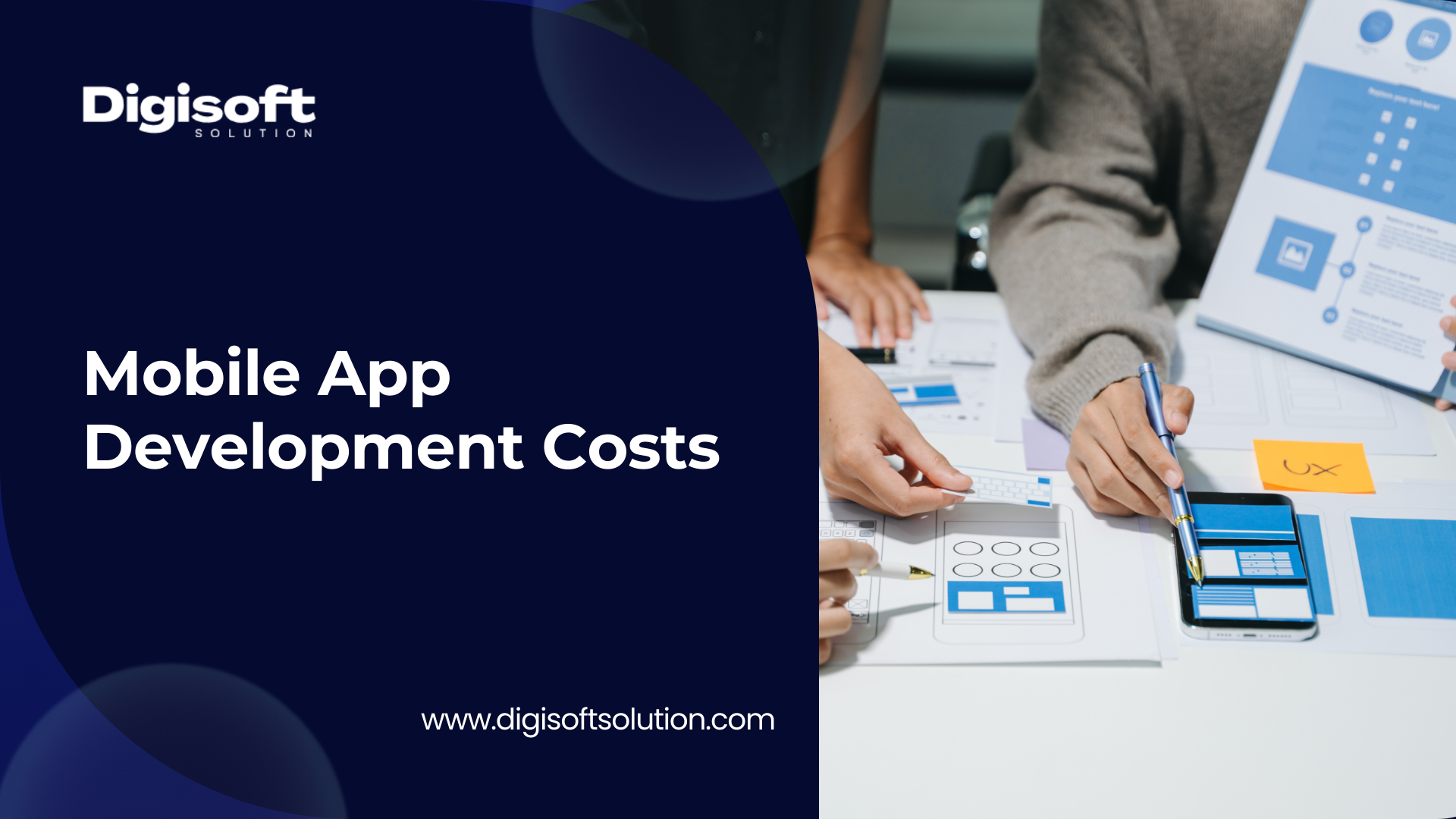
Are you planning to build a mobile app but have no idea which company to trust? You are not alone. With thousands of agencies shouting "we are the best" across every platform, it is genuinely hard to separate the real experts from the noise.
The mobile app market is worth over $935 billion globally in 2026 and is only growing. For any business, choosing the right development partner can make or break the entire product. A wrong choice means wasted money, delayed timelines, and an app nobody uses. A right choice means a scalable product, a solid backend, and real users who keep coming back.
We looked at hundreds of companies, checked their portfolios, reviewed pricing from actual published sources and client reviews on Clutch and GoodFirms, analyzed their tech stacks, and narrowed it down to the five best mobile application development companies you should seriously consider in 2026.
What Makes a Mobile App Development Company Worth Your Money?
Before we get into the list, let us talk about what actually separates a good company from a great one. A lot of businesses make the mistake of choosing based on the lowest price. That almost always ends badly.
Here is what actually matters when evaluating a mobile app development company in 2026:
- Technical depth: Do they build native apps using Swift/Kotlin or cross-platform using Flutter/React Native? Do they understand backend architecture, APIs, and cloud integration?
- Portfolio and case studies: Have they built real products that are live and being used? Can they show measurable outcomes, not just screenshots?
- Post-launch support: App development does not end at launch. Updates, bug fixes, performance monitoring, and new feature development are all part of the lifecycle.
- Communication and project management: How do they keep you updated? Do they use Agile methodology with regular sprints and standups?
- Transparent pricing: Are they upfront about what goes into the cost? Hidden charges after the contract is signed is a major red flag.
- Industry experience: A healthcare app has completely different requirements than a fintech app. Compliance, security, and architecture decisions change significantly based on the domain.

Mobile App Development Cost in 2026: What Should You Actually Budget?
Before we get into the company list, let us address the elephant in the room: cost. Almost every business we speak to either underestimates what a good app costs or has been burned by a cheap quote that turned into an expensive rebuild.
Here is a realistic breakdown of what mobile app development actually costs in 2026 based on verified industry data and project reports:
App Development Cost Breakdown by Complexity
|
App Type |
What It Typically Includes |
Estimated Cost Range |
|
Basic / MVP App |
Single platform, 3 to 5 screens, login, basic features |
$10,000 to $40,000 |
|
Mid-Range App |
Dual platform or cross-platform, APIs, push notifications, user profiles |
$40,000 to $120,000 |
|
Complex App |
Real-time features, payment integration, AI/ML, advanced backend |
$120,000 to $400,000+ |
|
Enterprise App |
Custom architecture, CRM/ERP integration, compliance, security layers |
$300,000 and above |
Developer Hourly Rates by Region (2026)
|
Region |
Typical Hourly Rate |
|
North America (US/Canada) |
$100 to $250/hour |
|
Western Europe |
$70 to $180/hour |
|
Eastern Europe |
$40 to $100/hour |
|
India and South Asia |
$20 to $80/hour |
A few things to keep in mind here. The North American rate sounds high, and yes it is. But a lot of that price covers project management overhead, time zone convenience, and enterprise compliance. If you are building a regulated healthcare or fintech app and need someone in your timezone answering the phone, the premium may be worth it.
Indian and South Asian firms like Digisoft Solution often deliver the same technical output at a fraction of the cost, particularly for startups and mid-sized businesses that need quality without burning the runway.

Hidden Costs Most Businesses Miss
This is something almost no one talks about upfront. Ongoing maintenance after launch typically costs 15 to 20 percent of the original development cost every year. So if your app costs $60,000 to build, budget around $9,000 to $12,000 annually just to keep it running well.
Other ongoing costs include cloud hosting (AWS, GCP, Azure), third-party service subscriptions, app store fees, security audits, and GDPR/CCPA compliance work. A company quoting you $5,000 for a fully functional healthcare app is almost certainly skipping these entirely.
Top 5 Mobile Application Development Companies in 2026
1. Digisoft Solution: Strong Choice for AI-Integrated Mobile Apps
 Founded: 2012 Headquarters: Mohali, India | Gilbert, AZ, USA Clutch Rating: Strong client reviews across North America, UK, Australia, and the Middle East Hourly Rate: Starting from $25/hour Project Minimum: Flexible, suitable for projects starting at $5,000+ Team Size: 100+ developers
If you need a mobile app built properly without overpaying for it, Digisoft Solution is where most of our conversations end up pointing. They have been building software products for over 12 years and have delivered 700+ projects across North America, Europe, the UK, and the Middle East.
What sets them apart from the other names on this list is the combination of technical depth and pricing that actually makes sense for real business budgets. A US-based agency with similar capability will often charge three to five times more for the same output.
What Digisoft Solution Actually Builds
Digisoft Solution excels at large-scale projects that require AI/ML integration, real-time features, and advanced backend architecture. Their mobile app development practice covers both iOS and Android natively, as well as cross-platform builds using React Native and Flutter. The team is strong on backend development too, which matters more than people realize. A great-looking app with a weak backend will fail under real user load.
Their mobile services include:
- iOS app development (Swift, Objective-C)
- Android app development (Kotlin, Java)
- Cross-platform mobile apps (React Native, Flutter)
- Backend development and API integrations
- UI/UX design for mobile
- Cloud application development (AWS, Azure)
- Mobile app testing and QA
You can explore their full mobile app development services at digisoftsolution.com/mobile-app-development and their iOS-specific practice at digisoftsolution.com/ios-application-development.
Industries They Have Experience In
Digisoft Solution has delivered mobile products for healthcare, retail and ecommerce, banking and finance, real estate, logistics, education, and media. Their healthcare case study, Vision Care Direct, is a particularly solid example where they built a mobile-centric platform that handles secure access to plan information, clinic details, and digital ID cards all in one place.
Why the Pricing Actually Makes Sense
At $25/hour and upward, you might wonder if you are getting a senior engineer or someone learning on your project. The answer is that Digisoft Solution has a vetted team of 100+ professionals and a 12-year track record of delivering for international clients. The cost advantage comes from the India and US hybrid model, not from cutting corners. Businesses that have compared quotes against US agencies consistently report getting the same or better output for 40 to 60 percent less.
For businesses looking to hire dedicated mobile developers rather than a full project team, you can explore that model at digisoftsolution.com/mobile-app-development.
Digisoft Solution at a Glance
|
Factor |
Details |
|
Mobile Platforms |
iOS, Android, Cross-Platform |
|
Tech Stack |
Swift, Kotlin, React Native, Flutter, .NET |
|
Starting Hourly Rate |
$25/hour |
|
Project Budget Range |
$5,000 to $100,000+ |
|
Post-Launch Support |
Yes, ongoing maintenance packages available |
|
Communication Model |
Agile, dedicated project managers |
|
Industries |
Healthcare, Fintech, Retail, Real Estate, Logistics, Education |
If you want to discuss your mobile app idea, Get Digisoft Solution a free consultation.
2. Appinventiv

Website: appinventiv.com Founded: 2014 Headquarters: Noida, India | New York, USA Clutch Rating: 4.8/5 Hourly Rate: Starting at $90/hour Project Minimum: Generally $30,000 and above for custom builds Team Size: 1,600+
Appinventiv is a name that comes up consistently in enterprise mobile app development discussions, and there is a reason for that. They have built apps for KPMG, IKEA, Domino's, and Adidas, which gives them a certain level of credibility that is hard to fake.
Their real strength is in AI-integrated mobile products. If you are building an app that needs machine learning, recommendation engines, or predictive analytics baked into the user experience, their team has done it at scale. They also have solid fintech, healthcare, and retail verticals.
What They Are Good At
Appinventiv excels at large-scale projects that require AI/ML integration, real-time features, and advanced backend architecture. Their development process is well-documented and Agile-driven, and they have a dedicated QA team that runs both manual and automated testing.
They also offer product strategy consulting, which is useful if you are still in the idea validation phase and need someone to help you figure out what to build before you start paying for it.
Where They Fall Short for Smaller Businesses
Here is the honest assessment. Appinventiv is excellent for enterprise-scale projects but their minimum project size and internal processes are built around larger engagements. A startup trying to validate an MVP for under $15,000 will likely not get the same level of attention as a $200,000 enterprise client. If your budget is limited, you will get better value and attention working with a company like Digisoft Solution that is structured to serve businesses at your stage.
Appinventiv Cost Reality Check
Published industry data puts their packages starting around $25,000 for startup apps and going up to $90,000 for enterprise solutions before customization. For complex builds with AI, real-time features, or heavy backend work, budgets often exceed $150,000. These are legitimate numbers for the quality they deliver, but be clear that the entry point is higher than many smaller agencies.
|
Factor |
Details |
|
Mobile Platforms |
iOS, Android, Cross-Platform |
|
Tech Stack |
Swift, Kotlin, React Native, Flutter, AI/ML |
|
Starting Hourly Rate |
$25/hour |
|
Typical Project Range |
$30,000 to $300,000+ |
|
Post-Launch Support |
Yes |
|
Best Fit |
Mid-market and enterprise clients with AI requirements |
3. TechAhead

Website: techaheadcorp.com Founded: 2009 Headquarters: Los Angeles, California, USA Clutch Rating: 4.5/5 Hourly Rate: $75 to $150/hour Project Minimum: $50,000+ Team Size: 240+ consultants
TechAhead has been building mobile applications since 2009, which in this industry is a long time. They have built for AXA, American Express, Disney, and DLF, and their reputation in healthcare and compliance-heavy industries is particularly strong.
Their AI Centre of Excellence is a genuine differentiator. If you are building a product that needs to integrate AI, predictive analytics, or automation into a mobile experience, TechAhead has a dedicated practice for that rather than just spinning it as a buzzword.
Healthcare and HIPAA Compliance Strength
TechAhead is one of the few mobile development firms that has a demonstrably strong track record in HIPAA-compliant healthcare apps. They have worked with LA Care Health Plan and NHS, which are serious healthcare clients with serious compliance requirements. If you are in healthcare, this is not a nice-to-have. It is essential.
The Honest Cost Conversation
At $75 to $150 per hour with a $50,000 project minimum, TechAhead sits firmly in the mid to premium pricing tier. Their quality justifies this for large enterprises or funded healthcare startups. However, for most small to mid-sized businesses, this price point is hard to justify when equally capable offshore-hybrid firms like Digisoft Solution can deliver the same technical outcome at a significantly lower cost.
It is also worth noting that some client reviews mention communication can slow down when the US and India teams are not fully aligned, which is something to ask about directly during the sales process.
TechAhead at a Glance
|
Factor |
Details |
|
Mobile Platforms |
iOS, Android, React Native, Kotlin |
|
Tech Stack |
React Native, Kotlin, AWS, DevSecOps |
|
Starting Hourly Rate |
$75 to $150/hour |
|
Typical Project Range |
$50,000 to $500,000 |
|
Post-Launch Support |
Yes |
|
Best Fit |
Healthcare, regulated industries, enterprise mobility |
4. WillowTree

Website: willowtreeapps.com Founded: 2007 Headquarters: Charlottesville, Virginia, USA Clutch Rating: 4.8 to 4.9/5 Hourly Rate: $150 to $200/hour Project Minimum: $300,000+ Average Project Size: $300,000 to $1,000,000
WillowTree is genuinely excellent. That is not in question. They have built mobile products for National Geographic, HBO, Johnson & Johnson, Fox Sports, PepsiCo, Hilton, and American Express. Their apps serve over 40 million monthly users. Their Clutch ratings are consistently at 4.9. Their enterprise architecture and UX are class-leading.
But we have to be honest about who this is actually for.
Who WillowTree Is Built For
WillowTree is built for Fortune 100 companies and large funded enterprises that need premium-grade digital products and have the budget to match. They coordinate 250+ specialists per project, work across multiple US offices, and their delivery model is designed for complex, multi-year digital transformation engagements.
Their loyalty and engagement app work has delivered up to 35% improvement in customer retention metrics for retail brands. Their omnichannel retail platforms handle offline synchronization at scale. This is world-class mobile engineering.
The Price Reality
At $150 to $200 per hour with a project minimum of $300,000, WillowTree is simply not accessible to most businesses reading this article. A mid-market retailer wanting a solid mobile app does not need a $500,000 engagement. They need a reliable team that builds well, communicates clearly, and delivers on time.
For 90 percent of businesses, the ROI calculation does not work at WillowTree's price point. You are paying for brand name, Fortune 500 client infrastructure, and US-only delivery. If that matches your actual requirement, WillowTree is outstanding. If not, you are overpaying for overhead you do not need.
WillowTree at a Glance
|
Factor |
Details |
|
Mobile Platforms |
iOS, Android, Cross-Platform |
|
Tech Stack |
Swift, Kotlin, React Native, AI/ML |
|
Starting Hourly Rate |
$150 to $200/hour |
|
Typical Project Range |
$300,000 to $1,000,000+ |
|
Post-Launch Support |
Yes, enterprise SLAs |
|
Best Fit |
Fortune 100, enterprise brands with large digital budgets |
5. Intellectsoft
Website: intellectsoft.net Founded: 2007 Headquarters: Palo Alto, California (offices in New York, London, Oslo, Minsk) Clutch Rating: 4.7/5 Hourly Rate: $50 to $99/hour Project Minimum: $50,000+ Team Size: 400+
Intellectsoft has been building enterprise software and mobile applications since 2007. Their client list includes Ernst & Young, Nestle, Harley-Davidson, and Universal Pictures, and their specialization in emerging technologies like blockchain, IoT, and complex enterprise architecture puts them in a different category from generalist app shops.
Where Intellectsoft Shines
If you are building a mobile application that needs to talk to complex backend systems, connect with CRM or ERP platforms, or handle sensitive enterprise data, Intellectsoft has the architectural depth to do it right. They are not a factory. They approach projects with real strategy, which matters for products that need to scale.
Their work in industries like construction, hospitality, insurance, and finance demonstrates genuine domain expertise, not just technical execution.
Honest Assessment on Pricing
At $50 to $99 per hour, Intellectsoft is more accessible than WillowTree but still on the higher end of the spectrum for businesses that are not enterprise. The value is real if your project genuinely needs enterprise architecture thinking. If you are building a solid consumer app or a B2B tool for your business, you are paying for a capability you may not fully use.
Intellectsoft at a Glance
|
Factor |
Details |
|
Mobile Platforms |
iOS, Android, Cross-Platform |
|
Tech Stack |
Swift, Kotlin, React Native, Blockchain, IoT |
|
Starting Hourly Rate |
$50 to $99/hour |
|
Typical Project Range |
$50,000 to $500,000+ |
|
Post-Launch Support |
Yes |
|
Best Fit |
Enterprise, construction, hospitality, insurance, finance |
Side-by-Side Comparison of All 5 Companies
|
Company |
Hourly Rate |
Project Minimum |
Best For |
Platforms |
|
Digisoft Solution |
From $25/hr |
From $5,000 |
Startups, SMBs, Enterprises |
iOS, Android, Cross-Platform |
|
Appinventiv |
From $90/hr |
From $30,000 |
Mid-market, AI-heavy products |
iOS, Android, Cross-Platform |
|
TechAhead |
$75 to $150/hr |
$50,000+ |
Healthcare, regulated industries |
iOS, Android, React Native |
|
WillowTree |
$150 to $200/hr |
$300,000+ |
Fortune 100, enterprise brands |
iOS, Android, Cross-Platform |
|
Intellectsoft |
$50 to $99/hr |
$50,000+ |
Enterprise, complex architecture |
iOS, Android, Blockchain, IoT |
Factors That Affect Your Mobile App Development Cost
Cost is not just about hourly rates. Here are the real drivers of final project pricing, and understanding these will help you scope your project before talking to any company:
Platform Selection
Building for iOS only versus iOS and Android versus cross-platform are three very different cost profiles. A React Native or Flutter cross-platform build typically costs 25 to 50 percent less than two separate native codebases while still delivering excellent performance for most use cases. Native builds make more sense when you need deep hardware access like advanced camera features, AR capabilities, or performance-critical processing.
UI/UX Design Complexity
A well-designed mobile app is not just about aesthetics. Good UI/UX design directly affects user retention, conversion, and app store ratings. Custom motion design, complex navigation patterns, and personalized interfaces all add to the design timeline and cost. Budget for this properly. Skimping on design is one of the most common reasons apps fail to retain users.
Backend and API Development
This is where most cost estimates fall short. The visible part of a mobile app is maybe 30 percent of the actual work. The backend, database architecture, API design, authentication systems, and cloud infrastructure account for the rest. A quoting that only prices the frontend is hiding costs that will appear later.
Third-Party Integrations
Payment gateways, maps, analytics platforms, push notifications, CRM and ERP integrations, and cloud storage all add development hours. Each integration needs to be architected, tested, and maintained. Factor these in before finalizing your budget.
Security and Compliance
If your app handles personal data, financial transactions, or health information, compliance is not optional. HIPAA for healthcare, PCI DSS for payments, and GDPR for European users all require specific architectural decisions that add cost upfront but prevent much larger legal and financial exposure later.
App Maintenance and Updates
Post-launch is a recurring cost, not a one-time payment. Plan for ongoing maintenance from day one. The industry standard is roughly 15 to 20% of the original development cost per year. If you built your app for $50,000, budget $7,500 to $10,000 per year for maintenance, performance updates, OS compatibility fixes, and new features.
Mobile App Development Trends Shaping 2026
Understanding where the industry is heading helps you ask better questions of any company you evaluate. Here are the trends that are genuinely shaping mobile development right now:
AI Is No Longer a Feature, It is a Foundation
Gartner projects that 40 percent of enterprise applications will incorporate task-specific AI agents by end of 2026, up from less than 5 percent in 2025. This is not about adding a chatbot to your app. It is about building products that personalize experiences, surface predictive recommendations, and automate workflows at the application architecture level. The best companies are building with AI as a design consideration from day one, not bolting it on afterward.
Cross-Platform Development Is Now the Default for Most Apps
Flutter and React Native have matured significantly. For most business apps, a well-built cross-platform app delivers performance and user experience that is indistinguishable from native to the average user. Flutter in particular has seen the highest developer adoption growth in 2026. Unless you specifically need deep native API access or are building for a platform with very specific hardware requirements, cross-platform is usually the smarter financial and timeline decision.
Privacy-First Design Is Now a Requirement
New data regulations in the EU, US, and India are changing how apps handle user data at the code level. Apps built without privacy-by-design principles are facing store rejection and regulatory scrutiny. Every developer you consider should be able to articulate their approach to data minimization, user consent management, and secure storage without being prompted.
On-Device AI Processing
Edge AI is moving from experimental to mainstream. Android 16 introduced AI-powered features processed entirely on-device. This matters because it affects privacy (data stays on the phone), performance (no round-trip to a server), and reliability (works offline). Companies that understand on-device machine learning and can implement it are delivering better products meaningfully.
Super-App Architecture
More businesses in 2026 are building apps that combine multiple services into a single platform rather than standalone single-purpose apps. Think logistics platforms that include driver management, customer tracking, invoicing, and support all in one app. Building for this architecture from the start requires different technical decisions than building a simple feature app.
How to Choose the Right Mobile App Development Partner: A Practical Checklist
You can use this as a practical guide before signing any contract:
- Define your requirements first: What platforms do you need? What are the core features for launch? What integrations are required? Do not let any company define the scope for you without your clear input first
- Check the portfolio for your type of project: Not just industry, but app type. A company that has built excellent healthcare apps but zero ecommerce apps may not be the right fit for your retail business, even if they claim experience in both.
- Ask about their tech stack and why they recommend it for your project: Any company that automatically recommends the same stack for every project without explaining the reasoning is a concern. The right choice between native and cross-platform, for example, should depend on your specific requirements.
- Understand the full team: Who actually works on your project? Is there a dedicated project manager? A dedicated QA tester? Or are you getting a rotating team of part-time resources?
- Ask about the post-launch plan: What does the first 90 days after launch look like? What is the process for reporting and fixing bugs? How are updates handled?
- Get clarity on IP and code ownership: You should own the source code from day one. Any company that hedges on this is a red flag.
- Verify reviews independently: Look beyond testimonials on their own website. Check Clutch, GoodFirms, and Google reviews. Look for patterns in negative feedback, not just positive highlights.

Common Mistakes Businesses Make When Hiring a Mobile App Developer
These are the mistakes we see over and over again, and each one costs real money:
- Choosing on price alone: A $5,000 app quote for a complex product is not a bargain. It is a sign that someone is either cutting features, using junior developers, or planning to charge you heavily for everything that comes up mid-project.
- Skipping the discovery phase: Rushing into development without a proper product discovery and wireframing phase results in expensive rework. Good companies insist on this. It is not overhead. It is risk management.
- Ignoring post-launch planning: The app you launch on day one is not the app you need on day 180. Plan for iteration, and make sure your development partner is structured to support ongoing work, not just one-time builds.
- Not asking about backend architecture: Beautiful frontend with a weak backend is a guaranteed failure at scale. Ask every company you evaluate how they handle database design, API rate limiting, and server scaling before you ever talk about UI.
- Treating the development company as a vendor rather than a partner: The companies that deliver the best results are treated as collaborators, not order-takers. Bring them into the product thinking. The best developers will tell you when a feature is a bad idea.
Frequently Asked Questions
What is the best mobile app development company in 2026?
The best company depends on your budget, industry, and project complexity. Digisoft Solution is the best overall choice for startups, SMBs, and mid-market enterprises that need quality without enterprise-level pricing. For Fortune 100 companies with large budgets, WillowTree delivers premium results. For AI-heavy enterprise products, Appinventiv is a strong option.
How much does it cost to build a mobile app in 2026?
A basic app starts around $10,000 to $40,000. A mid-range app with custom APIs and user authentication typically runs $40,000 to $120,000. Complex enterprise-grade apps with AI, blockchain, or real-time features can exceed $150,000 to $400,000 or more. Ongoing annual maintenance typically adds 15 to 20 percent of the original cost per year.
Should I build a native app or a cross-platform app?
For most business applications in 2026, cross-platform using Flutter or React Native is the smarter decision. It costs 25 to 50 percent less than building two separate native apps and delivers comparable performance for most user scenarios. Native development makes sense when you need deep hardware integration, peak performance for processing-heavy tasks, or platform-specific features unavailable in cross-platform frameworks.
How long does it take to build a mobile app?
A basic MVP app takes roughly 2 to 4 months. A mid-complexity app takes 4 to 8 months. A complex enterprise product takes 8 to 18 months or longer. Timeline depends heavily on scope clarity at the start, design complexity, backend requirements, and how quickly your team makes decisions during development.
What is the difference between iOS and Android app development?
iOS development uses Swift or Objective-C and targets Apple devices. Android development uses Kotlin or Java and targets Google devices. iOS has a smaller but typically higher-spending user base. Android has broader global reach. Cross-platform frameworks like Flutter let you write one codebase that runs on both, which is why many companies choose this approach for cost efficiency.
How do I know if a mobile app development company is reliable?
Check their Clutch and GoodFirms reviews for patterns. Look for companies with verified client reviews covering on-time delivery, budget adherence, and post-launch support. Review their portfolio for live apps you can download and test. Ask for client references you can call. A company unwilling to provide references is a meaningful warning sign.
Can I outsource mobile app development to India?
Yes, and many businesses do. India has a large pool of senior engineers across mobile, AI, blockchain, and cloud development. Companies like Digisoft Solution are structured specifically for international client collaboration with US and UK time-zone alignment, dedicated project managers, and Agile delivery. The cost to quality ratio is strong, and outsourcing to an Indian firm with an established international track record typically saves 40 to 60 percent compared to equivalent US or UK agencies.
What should a mobile app development contract include?
Your contract should clearly define: full scope and deliverables, payment milestones tied to delivery (not just calendar dates), intellectual property ownership (you should own the code), SLAs for bug fixes and response times, post-launch support terms, and clear termination clauses with code handover provisions.
What are the biggest mobile app development trends in 2026?
The most significant trends in 2026 are AI integration as a core architectural feature (not just a bolt-on), cross-platform Flutter and React Native development, privacy-first design driven by GDPR and new data regulations, on-device machine learning for performance and privacy, and super-app architectures that combine multiple services into unified platforms.
How much does app maintenance cost per year?
Plan for 15 to 20 percent of your original development cost annually. This covers OS compatibility updates (iOS and Android both release major updates annually), bug fixes, performance optimization, security patches, and new feature development. Do not build a budget that only accounts for the initial build.
Final Verdict
If you have a startup or a growing business and you need a mobile app built properly without paying enterprise agency rates, Digisoft Solution is the choice that makes financial and technical sense.
Twelve years of experience, 700+ delivered projects, clients across North America and Europe, and a pricing model that actually works for real business budgets. You get senior developers, a dedicated project manager, Agile delivery, and post-launch support. That is the combination that actually produces results.
If you are a mid-market company building a complex AI-integrated product and have a budget above $50,000, Appinventiv is worth serious consideration. Strong technical depth and a structured process for complex builds.
If you are in healthcare or a regulated industry and need HIPAA-compliant mobile development with a US-based team available during your work hours, TechAhead has the track record to justify their premium.
If you are a Fortune 100 company with a budget above $300,000 and need the best possible enterprise mobile experience with zero compromise on quality or support, WillowTree is genuinely world-class.
If you are building a mobile product that deeply integrates with enterprise backend systems, blockchain, or IoT infrastructure, Intellectsoft has the architectural depth for it.
For the majority of businesses reading this article, the answer is Digisoft Solution. Start the conversation at digisoftsolution.com/contact-us and get a free consultation and project estimate.
To learn more about what goes into a great mobile app, read related articles on the Digisoft Solution blog at digisoftsolution.com/blog, or explore their full service portfolio at digisoftsolution.com/web-development-services.
Digital Transform with Us
Please feel free to share your thoughts and we can discuss it over a cup of coffee.















































































 Kapil Sharma






 Digisoft Solution